The Service Mix That Decides What Your Practice is Worth



 RSS Feed
 Most owners add a new service because they're personally excited about it. Jessica Hunter has a harder test: before you spend a dollar on a device or a drug, can you prove that 40% of your current patients would actually try it? That one number is the difference between a home run and an expensive mistake.
Jessica and Bill Walker get into how to add GLP-1s, hormone therapy, and peptides without blowing up your liability or your margins. They cover why every service needs its own consent, how often to revisit your intake forms, and why one client spent twelve months asking every patient the same question before buying a device that now averages $40,000 a month.
Bill explains why a practice with 80% of its revenue in GLP-1s is over-leveraged in a buyer's eyes, where the old guard and the newer wellness platforms draw the line on weight-loss revenue, and why doing a few complementary services well beats chasing seventeen. He also makes the case that a $5 million practice growing 30% a year is exactly the one you should be selling.
Listen for the 40% rule, the EMR feature most owners are already paying for and never use, and why a rural owner needs to start planning the exit two and a half years out.
Questions answered by this episode:
- What is my medical spa worth?
- When is the best time to sell a medical spa?
- Should I offer GLP-1s in my med spa?
- How do I add hormone replacement therapy to my practice?
- What do private equity buyers look for in a med spa?
- How do I decide which new services to add to my practice?
- How much of my revenue should come from GLP-1s?
- How do I market new services to my existing patients?
- How often should I update patient intake and consent forms?
- How far in advance should I plan my practice exit?
HOST
Bill Walker
Founder & CEO, Aesthetic Brokers
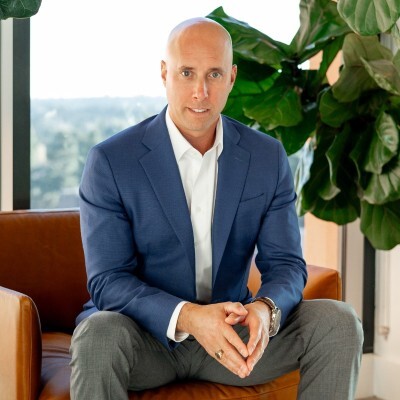
Bill Walker is the Founder & CEO of Aesthetic Brokers, where he leads transaction advisory for medical spas, cosmetic dermatology practices, and plastic surgery centers. Prior to founding Aesthetic Brokers, Bill led mergers & acquisitions for a large private equity-backed healthcare services organization, where he helped doctors unlock hundreds of millions of dollars in generational wealth. He is a nationally recognized speaker and thought leader in healthcare M&A.
Bill began his career as a Marine Corps pilot, ultimately serving under two administrations at the Presidential Helicopter Squadron and commanding a squadron in combat.
Follow Bill on Instagram @aestheticbrokers
Connect with Bill on LinkedIn
HOST
Jessica Hunter
Head of Aesthetic Consulting, Aesthetic Brokers
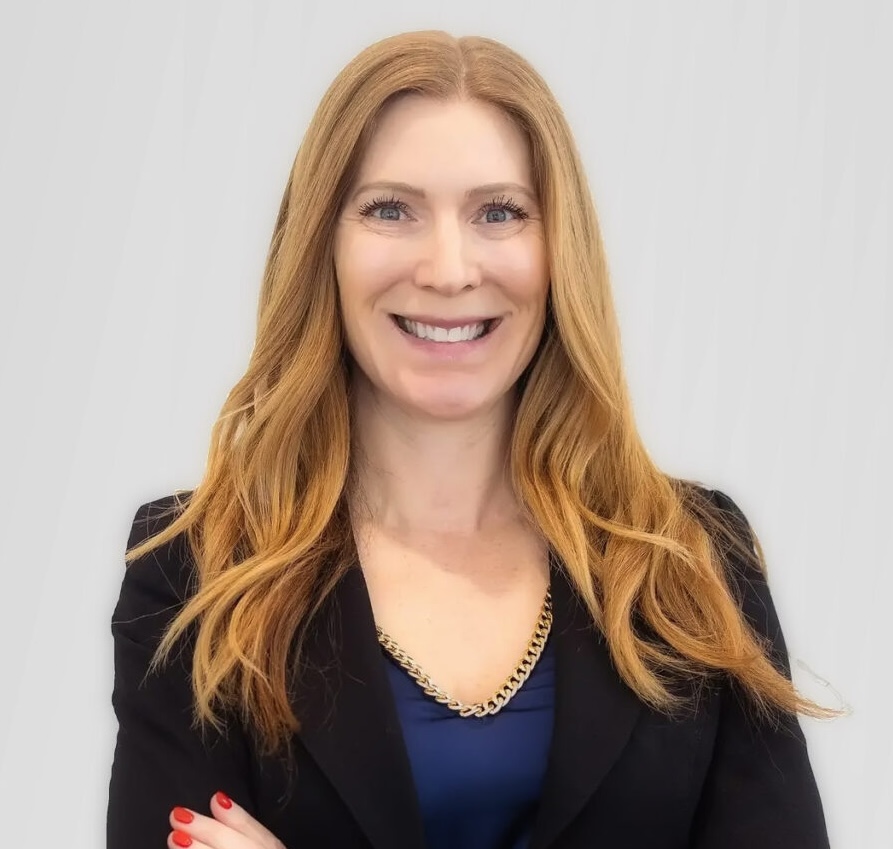
Jessica Hunter is the Founder & CEO of Hunter Consulting and Head of Consulting at Aesthetic Brokers, where she helps medical aesthetic clinics grow smarter and stronger. She's partnered with more than 75 clinics across Canada and the U.S., guiding them to boost profits, streamline operations, and build lasting success.
Known for her energy, straightforward approach, and genuine care, Jessica believes the best advice comes from truly understanding each business, especially its financial health and unique challenges.
Follow Jessica on Instagram @hunterconsulting_
Connect with Jessica on LinkedIn
About Aesthetic Appeal
Aesthetic Appeal is where Aesthetic Brokers brings you the latest insights straight from Southern California. We break down what's happening in the medical aesthetics world—especially when it comes to private equity and transactions with mergers and acquisitions that matter to you as a practice owner.
Learn more about Aesthetic Brokers
Follow Aesthetic Brokers on Instagram @aestheticbrokers
Theme music: Blinding, Cushy
Bill Walker (00:00:09):
Welcome back to Aesthetic Appeal, the official podcast for Aesthetic Brokers. Today we have the head of aesthetic consulting, Jessica Hunter and myself covering a topic that a lot of founders think about as they get a couple years into their practice and that's positioning for premium exits and thinking about when you're navigating service mixes such as aesthetics mixed with GLP-1s or other growth type services that you're adding into your practice, how do you balance the time commitment that you put into rolling out those new services? What's going to make you the most profitable and also what's going to be sticky with your patient base that is going to translate into a higher premium value for you when you go to exit. That being said, Jessica, it is great to do I think our first episode together.
Jessica Hunter (00:01:02):
Gosh, is it?
Bill Walker (00:01:04):
I think so.
Jessica Hunter (00:01:05):
Oh man. It's way long overdue.
Bill Walker (00:01:08):
Yeah, this is long overdue. So some upcoming events that we've got going on, we're going to both be at the aesthetic show in June.
Jessica Hunter (00:01:18):
That's right. Full showing from the Aesthetic Broker crew.
Bill Walker (00:01:21):
What are you going to be talking about when you go to TAS? What are you looking forward to the most when you go to the aesthetic show?
Jessica Hunter (00:01:29):
Well, I really do truly love the aesthetic show because I find that it allows you to have kind of a large stage and period of time to be able to talk to something. I find sometimes when we go to these shows and you have 15 minutes, it goes by so quickly. So to have a full hour to talk about something I think allows you to really be able to give tactical informational tidbits and stuff that our clients can actually put into place and put into action tomorrow, which is the goal. You want to be able to actually give them something tactical to do. So I think I will focus probably on one of the most popular conversations and topics that I get, which is for sure staff compensation. So just talking about how to really create a profitable and effective compensation plan that is going to allow you for long-term growth and stability within your staff.
(00:02:14):
I think that's still a really, really hot topic and conversation that a lot of my clients currently struggle with.
Bill Walker (00:02:21):
Well, yeah. And one of the things that makes you really valuable when you go to exit has to do with the consistency of your staff, right?
Jessica Hunter (00:02:30):
Absolutely. And I think the clients that have really had this nailed, it starts with their team. It really does. I mean, I'll spend time and meet with all of them individually and if it's a really well established, great practice, they all kind of say the same thing, right? That they feel very loyal to the owner. They really love being there. It's not a chore to go to work. Truth be told, the compensation is usually the last item that they ever bring up to me if all of those things where they feel really fulfilled, valued, and appreciated. So we always want to start with that. And then just make sure that the compensation matches, that their roles, their responsibilities, that all makes sense. So yeah, I totally agree. It's such a huge thing, a huge challenge, but when you really have it right, it seems to be sort of that gift that keeps on giving.
Bill Walker (00:03:17):
One of the things that I think about through discussions with founders when we talk about what makes a great staff and one of the things that comes up from time to time that's not really the first or second thing, but it seems like it's more of a deep dive is how well they execute on protocols and how consistent they are at the day-to-day blocking and tackling. So I wanted to lead this episode off with a question about you see so many practices that are in their growth phase. How should clinic owners think about training their staff and making it replicable when it comes to documenting protocols, consents, those types of things. And then give me just a brief perspective on how that is applicable when they're thinking about something like GLP-1s in their practice.
Jessica Hunter (00:04:11):
Well, my hope is that this is pretty much already set up operationally before we're looking at GLP-1s. But to your point, absolutely. The part that is inquiring the intake form, so we're acquiring information from our patient is so important that we're really asking the right questions and it depends on the services or treatments we provide. So every time you add a new service, you really need to revisit that intake or that medical questionnaire and make sure that you're asking all the right questions, that you have obtained enough information to be able to make the right decision if this service is applicable to them or not. So that's one thing I see that sometimes we forget about is we really need to make sure that we've updated that information that we're acquiring from our patient or our client. And then number two is consent should be personalized and customized to every single service we give. So I'll say that again.
Bill Walker (00:05:03):
What do you mean by that? Say that again.
Jessica Hunter (00:05:05):
So every single service we do, for example, from Botox to dermal filler to biostimulator to PRF, those would all be different consents because they are needing to be geared towards the actual treatment that we're giving and making sure that we're outlining things that we need to be aware of, complications that can arise, things that were just not liable that are everyday common practices with the treatment that may occur. So there is a lot of things that need to be customized just to that one service. And so it is really important that you don't just lump them all together. That is, like I said, particular to that service that they're about to get to. So that's one thing that's really important with the consents. The other thing I'll say about the consents I say to all my clients is, "This is where I spend a little bit of money with your attorney." Allow them to really review your state regulatories and regulations and laws and whatnot and just make sure that they do compile consents for you. I think it's one piece where doing this via using Claude or ChatGPT is really, really helpful and it can save your butt in a lot of situations.
Bill Walker (00:06:11):
Let me talk about Claude and ChatGPT and how great it is for building something that is a very static product and how ironic it is that if you give it a prompt and then I come back to it and feed it more information, it just continues to go and spiral and spiral and spiral. I think it's a great point that you bring up. So many times people will fill ChatGPT or Claude with five or six or seven questions. And if I ask it the same thing over and over again, I'm going to continue to get different answers. So I don't really like the variability of Simon says and think that that is the absolute gospel. I 100% agree with this, that anything that somebody puts into ChatGPT thinking, "Oh, I'm going to get a smart answer and that's what I'm going with. " It's only as good as the level of detail of information it has on hand.
Jessica Hunter (00:07:08):
I totally agree.
Bill Walker (00:07:09):
Or what it's going to build and build and build off of the same question that you ask three different ways. Get an attorney.
Jessica Hunter (00:07:16):
Absolutely. Exactly. And listen, there's some great uses for chat, Claude, whatever. I mean, listen, I use it in my day-to-day business right now constantly, but I think again, when you're talking about your business and you're talking about really protecting yourself, not just today but in the future again, when we are talking about doing an exit and having that long-term goal, these are the kinds of things that are really great to set up now because when you have those conversations with buyers, you've done the due diligence, right? You've really set yourself up for success and taken that liability away from yourself and your business as much as possible because things will happen. The current thing I always say with doctors or surgeons I work with, it's like, it's not a matter of if you're going to get sued. It's when. Unfortunately in the medical, I have never worked with someone who was at least a physician or a surgeon who has not been sued in some way, shape or form. And it may be the most ridiculous thing you've ever heard, but it will happen.
Bill Walker (00:08:14):
And let's talk about how often you should be updating your intake forms and just doing a sanity check on all of your protocols. I think once a year you should be doing that, but you know this better than anybody. What's the right time of year? You should be updating all of your documents, updating your reviews of all your legal documents for consent forms and making sure that even things when it comes to like on label, off label, those types of considerations, how often should people be checking for that stuff?
Jessica Hunter (00:08:46):
Yeah, I think you're right. Once a year is a really good cadence for the things that have been in the industry for 20 plus years. So we kind of know where they stand. They're consistent in nature. I think when we're looking at GLP-1s and we're talking about consents and peptides in general or the whole wellness category, to be honest, that's something I fully recommend to my clients to be revisiting every 90 days because that's how quick the industry is changing.
Bill Walker (00:09:12):
Oh, let me make a comment on this. RFK, 14 to the 19 on the do not compound peptide chain list is now something that is being brought back up by him for consideration to put in the category one. So very true to your statement, very dynamic landscape.
Jessica Hunter (00:09:32):
Yeah, it really is. And when we're talking about peptides, I think people get really excited about how dynamic they are and how they can really impact and change a patient's life. And most of my owners are personally really interested in it, which I totally get, so am I. But I think as a business owner, you have to take a step back from what you're personally interested in and just remember that everything that you're providing a patient, you're kind of under that medical oath, right? You need to do right by them. And so number one, protect yourself, right? That's always with a really great medical information, medical intake form, ask the right questions, you have a really great consent. And then all my clients do pre and post care at the time that they get a confirmation of booking. And so why we do that is we want to prepare them as much as possible for what they can expect before the treatment and what they can expect after the treatment before they've even come to see us.
(00:10:26):
And again, you're just really spreading out sort of that opportunity to communicate and reduce your liability in a sense by over communicating what can happen. And this is the good, bad, and the ugly. This is the swelling and the bruising and the ... But listen, it is way better to be transparent about what could happen or what is normal than for them to, of course, have a treatment and think that something crazy is happening with them or that they're having a bad experience when most of the time it is just a normal occurrence of the treatments we provide.
Bill Walker (00:11:00):
So this is a great point you bring up about the communication. How often do you feel like, not like holding you to this, how often do you feel like somebody comes into one of our client's practices and maybe does a new procedure or a new service for the first time and it's the, "I'm supposed to go to a party tomorrow. I didn't know this was going to happen."
Jessica Hunter (00:11:26):
I mean, one case today we were talking about with one of my clients and we were actually talking to one of our providers, so we were having a joint call about a few things. Anyways, yesterday she had a client she treated with Botox and filler, neurotoxin and filler, and they went to go check them out and as they were checking them out, they were trying to rebook them for the next service or the next follow-up. And she was like, "Oh, I'm not going to be here. I'm getting married." And so the receptionist found this information out, those are things that we should be asking, right? We need to know that. I mean, one of the things I just said, I said, thankfully she's had these treatments before, she knows what to expect and it wasn't really an area where we would expect a bunch of swelling or bruising, thankfully. But I mean, those are the kinds of things where we really need to prepare somebody-
Bill Walker (00:12:14):
Well to your point, way more, way more of knowing the lives of your patients probably than most other fields, because they're making a choice to come in and it's to look better and feel better. I think that's a great point you bring up is, gosh, you've got to know your patient base and your client base probably in so much more detail about their personal lives because there's a good chance, you're right, there's a good chance there's something really meaningful in their life that they're preparing for and that's why they're coming to see you.
Jessica Hunter (00:12:47):
Absolutely. And one of the best questions you can just ask while you're sitting down with your client catching up, maybe they're a current client you see all the time is, "Hey, tell me what's going on in your life. What's new? What have I missed?" "Oh, my daughter's getting married. Okay, when? "Two weeks from now. Okay.
Bill Walker (00:13:04):
And you hear the providers are also almost like somebody's dear Abby therapist sometimes.
Jessica Hunter (00:13:09):
I mean, yes, absolutely. I think anybody in the service provider business I think gets a little bit of therapy.
Bill Walker (00:13:17):
Let me ask you this question. So let's use GLP-1s as an example. Okay. When you're thinking about scaling, and I'm not going to get into right away, you should or should not incorporate GLP-1s into a practice, but I think it is an obvious topic. We just saw in the news today, news interviews about the benefits and the rollout of Retotrutide, which is this third generation coming out. It's the triple G of goodness that was advertised significantly reducing BMI, a significantly higher reduction of weight loss overall, all of the biometric standards for waste diameter, high blood pressure, those kinds of morbidity risks that are coming down with this drug that's likely to roll out very soon in mass of popularity. So when you think about scaling any service, but let's just use GLP-1s, for example, do you tell people, " Hey, do a pilot program.
(00:14:21):
Is there cases where you're like, let's roll it out across all of our practices? How do you think about any service mix, any service device and energy device? When you roll something out and let's use the multi-location client of ours, what do you typically start with as a baseline and why do you go that route?
Jessica Hunter (00:14:42):
I really think, Bill, that thought process happens before we launch. So if we're looking to bring on GLP-1, for example, and my client's interested in it, heard lots about it, very excited about it. I mean, the first thing that we're going to do before we do anything is really determine, is this a good fit with our current patient population? And the reason I say that is because we cannot make this assumption that we're going to have a whole bunch of new patients walk through the door with this product. We have to make sure that it matches what our current patient populations are wanting and asking for. So that's the first thing. Do we have a segment of people in our current database where we think this would be a great fit? And by the way, that needs to be a good 40%. You got to tell me that you think 40-
Bill Walker (00:15:28):
Wait, that's a great number. Say this again, Jessica. What is this number?
Jessica Hunter (00:15:32):
Yeah, 40%. So listen, we have this conversation. We're talking about GLP-1s, but it could be devices. It could be adding on a new service. To me, if we're looking at growth and scaling, there is no point to even look at this yet if we don't think 40% of our current patient population would at least try this service.
Bill Walker (00:15:53):
I love that.
Jessica Hunter (00:15:54):
I think it's really important, especially devices. I'm dying to give you a device example right now from a current client, but we'll stick on deal.
Bill Walker (00:16:01):
Let me hear it.
Jessica Hunter (00:16:02):
Okay. I'll share you guys a story because I think it's really impactful. I have a client, she acquired a device in December. It's a newer device. It's not around that much. I'll try not to give out too much information. And the reason we looked at it is because for the last 12 months, she sat and she asked every single patient she saw, "What is the one thing that I can't give you that you feel like you would like? " And the answer kept coming back to skin tightening, face tightening, saying jawline. There was a couple things, but it all came back to this idea of like a skin tightening device or method or service and-
Bill Walker (00:16:42):
12 months.
Jessica Hunter (00:16:42):
12 months, 12 months.
Bill Walker (00:16:44):
Asking all of her clients.
Jessica Hunter (00:16:46):
Every single one. What are we missing? If I could offer you ... Again, she's got this great problem by the way of what next. This is where you get to a stage and I'm super, she's amazing, amazing provider and owner. And you get to that stage where your clients say to you, "So what's next?" That's the best question, right? What's next? And when you feel like you've run out of options, which by the way, you really have to keep going to run out of options, but when you feel like you've run out of options and you start asking, "What do you think we're missing? What's the one thing when you look at your face that you wish I could help you with, but I can't?" Right? A non-invasive treatment.
Bill Walker (00:17:26):
I think it's brilliant actually. It sounds very basic until ... I don't think about it until somebody says it and they're like, "Oh yeah, that makes total sense." Because you're saving yourself so much trial and error money going out the door for something you don't know for sure that people want. I love that idea. I will say, ma, if they're putting months and months and months of asking that question, the price of that device probably just went down a little bit more because it wasn't the brand new Ferrari red that's coming out for this year that's one shade off. Yeah,
Jessica Hunter (00:18:03):
I agree. I think it's interesting because I had another client call yesterday about this exact same device. And so I'll finish the story because you'll see how the positive kind of situation she's in. But right now we average $40,000 a month in the first five months with this device and it's a total home run. It absolutely meets the needs of her current clients.
Bill Walker (00:18:29):
That's an ROI. That is an ROI.
Jessica Hunter (00:18:32):
Yeah. It's been adopted really well. She did have a provider who also was on board with it as well, had tried it before. So now there's two of them that can really talk to it. I mean, it's absolute home run to have that consistency for five months. And I can 100% validate that that's the consistent data because that's obviously all I do all day, but that is not something I see all the time. I'll say that super transparently with a new device. You really have to know your clients and know your patient population and that's no external marketing at all. None.
Bill Walker (00:19:03):
Okay. So let me try and make a bridge here of assumptions that no two locations in a multi-location group are actually going to be the same, right?
Jessica Hunter (00:19:15):
Yeah. I think that's a really good point because demographically they're usually not the same. Honestly, I mean, we have nuances between different locations of what the clients like, what their purchase history is, what their average spend is. We definitely see discrepancies between locations all the time. And so I think when we see a group of clinics, for example, all want to purchase one device, and I understand why in terms of purchasing power and cost savings, but is it always the right device to buy seven of them for the seven locations? It may not be because you're going to find that it's more successful somewhere else versus somewhere else.
Bill Walker (00:19:53):
You're leaning into my follow-up question, which is going to be, okay, so when you advise clients who have multi locations and they're thinking about rolling out a device or a new service and you're helping them determine based off of the demographic profile of the patient base at each location, how do you account for control measures? How do you coach them and train them and get them to think about how to train their trainers? Because I would assume you may end up in a situation where you got two locations are going to have this device, three locations are not. And how do you think about, because you see so many practices, Jess, how do you think about standardization of care when you're not always what I'm hearing from you, when you're not always going to have a standardization of services offered to each and every one of your locations?
Jessica Hunter (00:20:48):
So I will back up a little bit on this conversation because I truly do believe that the operational foundation of a business really happens from whatever their technology base is. I think in 2026, we really have to start buying into whatever EMR we're using as our foundational platform to help us build consistency and systematic processes as we move forward in multiple locations.
Bill Walker (00:21:18):
Let me ask about EMRs. You bring up the topic of standardization using EMRs. Give me two things that you've seen over the course of your consulting career and aesthetics that have been significant advancements over the last five or six years even that were not available as a tool for owners just five or six years ago.
Jessica Hunter (00:21:39):
Oh my gosh, so much. So much. I'll do two. Two that I think that are really impactful. I think the first one is EMRs five years ago and I used to help my clients implement EMRs five years ago. They didn't have the full scope kind of operational. And when I say that, for example, they didn't know how to do memberships then. They didn't know how to do reoccurring payments then, right? They also didn't have before and after advanced photo options embedded. And so we always had something else to do that as well. And the other thing that people probably don't realize either is their EMRs now is all integrated marketing segmentation within our current database.
Bill Walker (00:22:21):
What is integrated marketing segmentation?
Jessica Hunter (00:22:25):
I cannot stress how important this is. So what it is is a lot of the EMRs in our industry right now have embedded their own email and text message campaigns that you can create by segmenting your current patient population. And why this is so impactful is I want to be able to target somebody who has had Botox and has never yet tried filler. I want to be able to target someone on my intake form so that they're interested in weight loss. I want to be able to, again, remind someone to come back for their next Botox appointment in two and a half months. I want to recapture somebody who hasn't been here in 12 months. And there has always been systems out there that we could use and we could kind of export a list of our client database and blah, blah, blah. But now it's all there so that we can text and we can email them within one platform to not only remind them of appointments, because that's normal, right?
(00:23:25):
That's absolutely normal. That's nothing. By the way, if you have an EMR and you're like, "Oh, I do text reminders." Yeah, that's standard. I am talking about how are we communicating to our current database about other things that they're interested in and not spamming them with an email to everybody. Because remember, we're in the age where people only care about themselves and what they're interested in. They're not going to read your email about something they don't care about.
Bill Walker (00:23:51):
Well, you brought up a topic of a couple different services and I'm going back in time and thinking five or six years ago people really weren't even thinking about like, how do I account for a part of my service mix for GLP-1s? Right. So I mean, are there systems now that you feel like are more developed where it's like, I can actually upload a new service mix, I can put the cadence, I can put all of the checks and balances for GLP-1s. I can put my checks and balances in there to make sure I'm properly taking care of patients because I think about that.
Jessica Hunter (00:24:26):
Yes. And here's what's so important.
Bill Walker (00:24:28):
I'm thinking like, right, talk to me about this.
Jessica Hunter (00:24:31):
Yeah. Here's what's so important about, I think, when you're adding GLP-1s to your current practice and your current service mix is it's very difficult to do external marketing for GLP-1s, on. Two, it's also very difficult to attract the right patient into your practice for how you offer a GLP-1s, because it can't be on price point because there's too many other alternatives to get a cheap GLP-1 online, right? So those are some of the obstacles you have. So my advice always when we're looking at bringing a GLP-1 is again, do we have 40% of your patient current demographic that may be interested in it that you think, have you had conversations with them? Are they aware of what it is? Are they aware of some of the other external benefits? We spend a lot of time just educating to our patients about that. So that's like first and foremost.
(00:25:15):
And then the second piece is how are we going to communicate to these people that we now have this service that they may be interested in without blasting them in email every month that they're never going to read or a text message that they're going to, again, not reply to or disengage with. That's where the marketing segmentation in your own EMR is so valuable, right? What if we go into our intake form and we now ask somebody who is concerned with weight loss, anxiety, has trouble sleeping. Again, going down the attachment to GLP-1s, which of course is hormone replacement. So we start putting those symptoms in there and we let people select what other challenges they may be having. And now when we're in the consult and we're having the conversation with our patient, we say, "Hey, tell me more about the difficulty of sleeping you're having.
(00:26:06):
Tell me more about your anxiety." And it's just a roadmap to allow you to say, "You know what we now offer? Let me tell you about how a GLP-1 can help a 45-year-old female in all these other ways other than just the weight loss you've heard online over and over again."
Bill Walker (00:26:22):
Let me ask this follow-up on the GLP and we're talking about additional service mixes, hormone optimization. Talk me through the conversations that you have with some of your clients when we're talking about, "Okay, I've got a GLP-1 service mix going on as part of this routine for our aesthetic and the weight loss and they're coming to me for hormones." What do you say to your clients?
Jessica Hunter (00:26:52):
I think it's an amazing additional service mix. I think they are the exact same demographic. That's a home run for you and that's exactly the sort of progression that we usually see. GLP-1s, adaptability is high, there's a lot more awareness. Hormone therapy becomes sort of the next thing of, okay, let's see what we can address these additional symptoms. You had some initial benefits from a GLP-1. Could we get you some better benefits? And the great thing about hormone therapy in our industry, I can't stress this enough is they're literally your prime demographic who wants this and needs this is walking through your door every single day. I promise you they've probably asked their GP about it. They don't know enough about it. They can't be experts in it and you're already their expert for all other things. And now you have a nurse practitioner or a PA who specializes in hormone replacement and knows how to give you that really one-on-one customized treatment plan to address your particular issues.
(00:27:55):
This is a home run and furthermore, this is the closest thing with a GLP-1 that we can get to for reoccurring consistent lifetime revenue.
Bill Walker (00:28:06):
So you brought up a great point about price point and some people believe that there's a race to the bottom. I don't really necessarily believe that. I genuinely do not. But I think if you're going to offer one tip for a client on their concerns about a race to the bottom on GLP-1 offering, what is one thing they can do that will keep their clients coming back to them that is going to be the client that uses GLPs, that comes to them for their Botox, for their filler, for their hydrofacials, you name the service, hormone optimization. What's one tip that you give them, Jess, if they're concerned about the race to the bottom on a perception around GLP weight loss price point?
Jessica Hunter (00:28:58):
Well, this isn't new to us, right? This is neurotoxin. So this isn't new to this industry. So sometimes when people talk to me about it, I'm like, "We've already been through this for the last 20 years." And again, it's about creating that value because anybody, and I'm sure this is very controversial I'm going to say, but anybody can probably do Botox quite similar at this point, just basic Botox, let's say, upper face Botox. And so how do we make it special and unique to a client or a patient so they continue to come back to see us and not get swayed on price? And it's always about value. It's always about value. So when we look at a GLP-1, yes, we are trying to combine it with other things that we offer to optimize. So that could be peptides, it could be hormone treatments, hormone replacement therapy. It could also be we add in our different supplements that we carry so that they have the full package of things. And so we're always trying to combine that value so that we're just not a one and done dropship drug online where they can't ask questions Questions, they can't reach out when they have concerns or they're nauseous because of a semiglutide or whatever the case is.
(00:30:08):
We're really trying to create that value, that expertise. And again, it usually doesn't come with just that one-off. We're always trying to limit the transactional, let it be something where they can get multiple different services to really optimize their outcomes.
Bill Walker (00:30:23):
Okay. Let's ping pong. Over to you, questions that you think are applicable to this topic as it relates to when I think about mergers and acquisitions and you're about to be ready to do an exit and some of the things that you're like, I know what Bill's going to probably want to coach people up on to prepare a year in advance so they're ready to go.
Jessica Hunter (00:30:45):
Bill, I'm just dying to ask you a little bit about how we look at businesses in terms of evaluating them when there is a large wellness section or category within the business. I think this comes up a lot with my consulting clients. Is there a particular percentage we want to keep wellness to? How will that impact our valuation when we're ready to go to market?
Bill Walker (00:31:09):
That question I think first goes back to a fundamental cornerstone that we didn't even really define wellness as a category even three years ago. It was just lumped under the title aesthetics. And now you see more people pushing towards the aesthetics and wellness or aesthetics and longevity as a definition and recognition of this unique animal that I think holds hand in hand with aesthetic procedures. And I think it plays to a demographic of individuals who have money that are increasing in age and they're thinking about things that they never had an issue with before. They're allergic to things that they didn't used to be allergic to when they're 25 years old.
Jessica Hunter (00:31:56):
That's me right now.
Bill Walker (00:31:57):
That's just one example. And so I think it's important to go back to the fundamentals of defining wellness. And so when I define wellness, there's one thing that I will break out of all of this service mix and I'll break it out just to put it on my client's radars, to put it on our clients' radars to think about. I don't think that GLP-1s are going to go anywhere anytime soon. They are one of the miracle discoveries of the pharmaceutical world of the 21st century. Yeah, I agree. It is that impressive of a find. I think what people have to understand is that there's always going to be business dynamics when it comes to healthcare.
(00:32:45):
And if you made a bet five, six, seven, eight years ago as an investor and you were betting on the aesthetic space and remember we're going to say that if we go back in time, we do the Wayne's World like back in time. We're going to rewind and go back to that era where the very first couple of aesthetic consolidation groups started to come on stage. There was no GLP-1 phenomenon. It didn't really kick off until late 21, maybe call it 22, 23. That's when it started to kick off. And so it was so dynamic of a change that people were like, "What are we going to do with this? We're not sure if this is going to be a flash in the pan. Are the margins going to stay high? Are there going to be side effects that we're not aware of? " And if you're looking to your investor core that are giving you millions and millions of dollars to buy aesthetic practices, they're asking the question.
(00:33:48):
And so the drumbeat by a lot of early stage consolidators, I think it's fair to say for defense of their thesis, no, we're staying away from that. We find that to be a little too volatile, a little too risky for us. If you asked a brand new platform that defines themself as more of a wellness, longevity, aesthetic, tripod platform and you ask them, "Well, how do you guys define wellness and what do you think about GLP-1s?" If you ask them in 2024, 2025, they're going to say, "We're comfortable with a litle bit higher mix of GLP-1s in the total service mix revenue." If you ask the old guard, they're going to tell you, "I feel comfortable when it's less than 10%." You start getting into the newer age thinking of the business and they say, "I'm okay with it being a little bit higher.
(00:34:44):
I'm okay with it maybe being 25, 30% because I know that it's sticky when I can see that you're rolling out hormone optimization. When I can see that person that comes in for weight loss three months, four months later started to become a neurotoxin patient. When you start to see that similar patient that five, six months down the road is integrating more of their free capital spend into your practice because they trusted you on how well you took care of them with GLP-1, that is why some of the newer platforms that have come out as investors are comfortable with a little more of that weight loss in their mix.
Jessica Hunter (00:35:32):
If I'm a practice owner and my goal is to sell 24, 36 months down the road, maybe sooner, and I have 80% right now in primarily GLP-1, what are you going to tell me to position myself so that I'm going to get the maximum valuation for my business or is there anything?
Bill Walker (00:35:57):
There's two things that come to mind when I think about this, right? One is you need to know what you're investing in as a founder. I think of like Warren Buffet where if he can't describe what the company does, he doesn't want to invest in it or buy it. So know what you're investing in for your patients because you believe in the efficacy of it so much. And second, I think of Orville Redenbacher's statement about popcorn. You do one thing and do it better than anybody else. Now, a lot of people might say," Well, then I should only do Botox, or I should only do filler, or I should only do laser hair removal, or I should only do GLPs. "I mean, there's like 17 different flavors of popcorn that Orville Reddenbacher makes. And so what I think about that is I go back to do your research on the products and the services that you can feel confident and believe in.
(00:37:03):
That's your diversity mix and then do it better than anybody else. And so I think it's diversity of your product. If you're at 80% of any one thing, you're over leveraged and you're overexposed. And so I would say have complimentary services under an industry vertical that you can defend. And that to me means have several products and services that you offer that you really understand that tie hand in hand to the aesthetic and wellness space and you're going to be primed for the catbird seat to have the maximum value exit compared to your peers.
Jessica Hunter (00:37:43):
I think that's really good advice to just be really focused in on what you do well and do what you do, do it well. How you do anything is how you do everything. So I think that really will resonate with people hearing that. I hope it does.
Bill Walker (00:37:56):
I need to write that on my dry erase board. How you do anything-
Jessica Hunter (00:37:59):
Is how you do everything. I say it all the time.
Bill Walker (00:38:01):
It's how well you do everything.
Jessica Hunter (00:38:02):
Yeah.
Bill Walker (00:38:03):
I love that.
Jessica Hunter (00:38:03):
And so I think what I'd really love also to kind of get your perspective of and get your knowledge and insight on is let's talk about some of the regulatory red flags and some of the things that as a clinic owner when I'm implementing a GLP-1 that you would say with my goal is to definitely sell my business, what do I need to be aware of? What are buyers-
Bill Walker (00:38:29):
Don't upload everything into ChatGPT and Cloud and then print it out on paper with all the lines and the bullets just came off of the fee. And say," This is our protocol. "Wait, what was the follow-up question on this?
Jessica Hunter (00:38:42):
What are buyers turning away from? What is really getting them nervous about investing?
Bill Walker (00:38:50):
I would say from ... Okay, let's talk regulatory, right? Okay. First and foremost, always look to your attorney. Get a professional who is in the regulatory space to always back you up. I love the frequency when it comes to regulatory of a quarterly basis and for the more stagnant documentation and annual basis for a refresh. I would assume most practices are a little slower in the month of July and so put those mechanisms into place, knock on wood right now so that you can have the team that supports you doing those things and they're prepared to do those things for you in July while you're on vacation and the rest of your patient base is on vacation. Now that I've given the disclaimer on regulatory and having your attorney look at stuff, I would say one layman's common sense thing is to do a periodic check-in on the quality of the product that you're getting from the pharmacy wherever you're getting your product from. That blind sample just keeps honest people honest and that way you know when you feel good that what you're providing to your patient base is what you expect to be providing to them so that they can get the results that they expect.
Jessica Hunter (00:40:09):
Right. What do you think then about the practices right now that are a little bit rogue when it comes to what they're offering for peptides, not necessarily FDA approved? Do you have any particular advice that you would encourage them to kind of follow or in terms of just preparing to sell, like let's think about it down that sort of lens, because again, if it's your own business, you get to make any of the own decisions that you want. I mean, you get to make decisions about what you'd like to do with your business. But let's say that I am one of the bazillion people that are going to be interested to sell and I'm currently sourcing out some different products in particular peptides that haven't yet maybe gone through that rigor of FDA approval or any services. Do you have any recommendations? Is it something we want to be mindful of?Does it not matter?
Bill Walker (00:41:01):
I think the most important thing that you can ask yourself when you're preparing to have a large private equity fund come in and back you with millions of dollars that they're going to put in your pocket and the expectations that you should be prepared for that they're going to ask of you is going to say, document what you dictate. If you're dictating the terms that you want a premium value, that's great. If I'm an investor and I think you're a great play of an investment, I'm going to say, "I'm all in. Now show me the documentation."
(00:41:41):
And so I think that's just one of the best pieces of advice is document early document often and that way when you get to the finish line, because we're talking nine, 10, 12, 15, 18 months down the road. I think it's about getting in touch with genuinely, whether it's you, Jessica, or anyone else as an advisor for consulting. It's about getting into a rhythm where you've got that coach two or three years in advance. And just like I believe whether it's the transaction team for us on the brokerage side or some other brokerage firm, it's about getting us on the team probably a year in advance from the sale so that we can help you prepare. And that's where it's such minimal amount of money that the returns are ridiculously higher that you're like, "I absolutely am going to do that.
Jessica Hunter (00:42:39):
Yeah, I totally agree. I think one of the things that both you and I see is someone coming to us who really needs more ... Sometimes they need more time and we wish we would've met them sooner just so that we could get them-
Bill Walker (00:42:55):
Oh. Here's one thing. You talk about like we wish we met people sooner. One of the things that comes to mind, and I don't know if it happens for you, it's such a classic conundrum. It's so funny. Somebody will say, I say, "How much revenue does your practice generate?" And they're like, "Oh, it generates $500,000 and I want to sell it. " And I'm like, "It needs to generate five million." Yeah, you and I can talk about this. If I was generating $5 million of revenue a year, I would never sell it. And you're like, "That's where you're wrong." You absolutely should be wanting to sell it.
Jessica Hunter (00:43:27):
Absolutely.
Bill Walker (00:43:27):
This is the golden age of consolidation of the aesthetic and longevity play.
Jessica Hunter (00:43:31):
I got to ask you this then. If I'm a clinic owner and I'm listening to this, I'm established business, let's say four or five years, I'm over that two million mark, tell me when the best time to sell is.
Bill Walker (00:43:43):
I'm not kidding. You're in your golden window and I think one of the more important things for an owner to understand is if you want a premium valuation on your practice and you want what's undoubtedly going to be rollover shares of stock, rollover equity, that you're going to roll into the greater company as a part of your deal, they want to see that you're going to have skin in the game for several years. Don't come to me thinking that I've built this empire, it's a $10 million revenue practice, we're crushing it, we're $2 million of EBITDA and I want somebody to pay me an outlandish multiple all cash and I'm going to walk away.
Jessica Hunter (00:44:25):
Walk off into the sunset.
Bill Walker (00:44:26):
I'm going to buy a little island off the coast of Bermuda and have a tax free environment.
Jessica Hunter (00:44:31):
I think this is really important to talk about.
Bill Walker (00:44:34):
That is not going to happen. I'm not stroking a check for 15, 20, $25 million as an investor and then saying, "Oh yeah, hey, keys are on the dashboard. I left a little sniffy leather and fine refresher under the dashboard for you, so you get the new car smell." It's all good.
Jessica Hunter (00:44:51):
I think this is important to talk about because I think sometimes we forget we're in the service based business and as service providers, there is a lot of value in us doing what we do. And so how as the owner and let's say number one service generator, revenue generator, how can we expect that we would just hand over our keys and say, "Hey, good luck." Have a good time.
Bill Walker (00:45:17):
Think about it from your friendly local neighborhood dentist. They put Dr. Nash on the side of the door. I've been going to Dr. Nash for years, for years and Dr. Nash is like, "I'm ready to sell my dental practice." Dr. Nash's name stays on the building for like a decade. And then the junior doctor, Dr. Smith comes in and they've got a little bit smaller print. Dr. Smith is now on the billboard and they say, "I'm going to Doc Nash's." But really you're going to see Doc Smith, but no, I go to Doc Nash's. Dr. Nash may only be in the office anymore once a week or twice a week. That doctor's not in the practice insert aesthetics that nurse practitioner owner, that doctor owner is not in the aesthetic practice necessarily five days a week, 10 hours a day anymore, but there's still an integrated part of the practice because they built the culture, they built the team, they built the brand recognition. Even if their name is not on the outside of the building, their soul is in the hallways of every single treatment room.
Jessica Hunter (00:46:26):
Haunting everybody.
Bill Walker (00:46:28):
And that is haunting. And that's what investors expect is that the fiber of your culture is going to be maintained so that they have a few years of preparation and transition to take care of.
Jessica Hunter (00:46:43):
Right. So here's the tough question. Yeah. I am a rural business owner.
Bill Walker (00:46:48):
I love you.
Jessica Hunter (00:46:49):
I want to sell my business, right? Of course. And I'm at that million, million and a half in terms of total revenue a year. What do you suggest? What do you think I should do?
Bill Walker (00:47:00):
Okay. This is gospel. You start your planning two and a half times further out than anyone else that is in a metropolitan area. I say that to say most people should be planning a year out for the exit. You should be planning two and a half years out from your exit because there are very specific things that you need somebody to coach you on like a consultant and then you need to pivot and probably pair up with your brokerage firm to start the planning of the execution because the lead time to find the buyer that's going to pay you what you're worth is going to take a lot longer.
Jessica Hunter (00:47:41):
Right. I'm wondering too, when we talk about small markets, because obviously I have clients in large markets and small markets, one of the thing we're always talking about no matter where you are is obviously to increase volume and increase frequency. And that's the name of this game is not the single transaction that we have, but how often are they coming in to see us and how much are they spending every single year? And so we're always playing with those two levers. And I think if I'm a rural practice owner and I'm really looking at trying to not just increase my revenue, but again, be as profitable as possible, of course. I think one of those things that I'm going to be looking at is maybe bringing in alternative services that are more profitable, that have a great reoccurring revenue stack like a GLP-01, like hormone optimization, where I can really grow my revenue substantially, grow my profit margins, right?
(00:48:38):
We typically see between 30 and 40% margins on those segments. And now it's not necessarily that I need more people. I'm offering something to my current database that they don't already get from me. Is that a strategy that you think could work?
Bill Walker (00:48:55):
You bring up a very poignant topic, which is you're going to be more limited on the population that you can touch just by drive time distance acceptability alone. And so offering service mixes to the population that is present and available is much more critical in a rural environment than in a suburban or an urban environment where you can reach out the extension of feelers to touch more prospective new clients than you could in the rural population. I would also compliment the statement that you made about offering a diverse set of service mixes in a rural environment to capture more of the discretionary spend. The relationships are so much more key in a rural environment because there's just not that many teachers, there's not that many nurses, there's not that many firefighters, there's not that many of anybody. And so the town judge, the town attorney, like their wife or the town judge is a female, the town attorney, prosecuting attorney's a female, females are more likely to be aesthetic clients than males using logic.
(00:50:06):
You want the people that people look up to and respect and trust their opinion who are like, "I did this and it worked and I love how I feel. I loved the result I got. I love how I look." And they're talking about that quietly because it's so much more of like a spill the T whisper thing than it is in more populated areas. And so your relationship with those clients is so critical to the success that you see because it's less people and each voice matters more.
Jessica Hunter (00:50:38):
Right. Yeah, that definitely makes sense is you want to keep everybody there with you with a positive experience for sure.
Bill Walker (00:50:46):
Yes.
Jessica Hunter (00:50:46):
Bill, one thing I'm really wanting to talk about and just kind of clarify, because obviously being a part of aesthetic brokers, I do know really well of what you and your team do on sort of that transactional side, but I would love for you to share with our audience a little bit about what does it look like when someone comes into our firm and is ready to go ahead and make that decision to sell their business with aesthetic brokers? What does that journey look like? I think people are always asking me to kind of elaborate and explain that so that they have a really good expectation to know of what's going to happen.
Bill Walker (00:51:22):
The process is very straightforward. It's very transparent and it varies on time based on how complex of an operation you have going on currently and what your goals are. And so one of the first things I always talk to our clients about is, what are your goals? When we can understand what they need and what they want, then we're able to provide the best possible advice that could be given. And so I think really the most important thing when we talk to clients is not necessarily the fundamentals of the business because I can look at their P&Ls and I can look at their production service report mix and I can get a sense of what's going on in the practice. The most important thing for any founder of a medical aesthetic practice to know when they're contemplating a transaction is they've got to know themself of what are my goals?
(00:52:21):
What am I willing to do for the next several years? What am I not willing to do? What do I hope gets better in my life? What do I not want to change because I really love this part of my life. And so when we do that conversation, that's probably the first thing that I think is the most important thing to understand is, yes, you could sell this practice. It'd be a successful exit likely once we dive into the numbers, but what are your goals? And so level setting and providing like sage wisdom helps form the wants and the needs and I think you end up so much more happier and so much more well educated and confident about the process.
Jessica Hunter (00:53:06):
I couldn't agree more. I think people should really think about what do I want to be doing six months from now and what do I want to change? And it's very rare somebody would say to me, "I don't want anything to change." There's usually a list of things. And so the reality is if you do nothing today. Yeah.
Bill Walker (00:53:27):
You should want something to change, right? Yeah. You're not selling your business if you don't want anything to change. Most of the time I think what's realistic is people say, "I don't particularly love the administrative burden."
Jessica Hunter (00:53:39):
Yes.
Bill Walker (00:53:40):
Also, most of the time I get people that say, "I don't want to feel like somebody's trying to control me. " Those are two of the most common things is, "Is someone going to try and bos me around and put me under their thumb and am I going to have more of an administrative lift?" And the answer to those two questions is no, because we help you find the right fit for you and your team of what's going to work culturally. And so that process, the process can take six months. The process can take a year and a half, but at the end of the day and Jess knows this, you know this, Jess, I will say you need to talk to Jessica Hunter. We've done some research with you. We've gone down the first couple initial footpath, footholds of this journey together. You got to talk to Jess. You need some coaching, you need some consulting, you're not quite ready yet.
Jessica Hunter (00:54:35):
Yeah, I agree. We do have quite a few people that come through the brokerage who are just not quite ready yet. And it doesn't mean that they'll never be ready. Absolutely not. I mean, it's mostly just about, again, really understanding their business, understanding their priorities and really focusing their time and attention.
Bill Walker (00:54:53):
Something else. This is one of the other ends of the spectrum of telling people, "Hey, hold off. We're not quite ready yet. We need to do a couple things." The other thing is this is for mostly the silent listener who's not going to dial into the Jerry Lewis Telethon. It's like, this is not the, "Well, I'm just going to grow myself even more. I'm going to grow myself even bigger." There are many scenarios where you have reached critical mass of a threshold and I'll give you a great number. You gave me a great number. I'm going to give a great number to people. Look, if you can't grow at 30% year over year, you better be talking to us because you're not going to outpace the equity that you're rolling into a greater conglomerate that can manifest itself. Now granted, everything has risk, but all things equal, you better be able to show me you can produce over 30% year over year growth because if not, you should be planning how do I get to maximum performance, not top of the valuation.
(00:55:56):
How do I get to maximum performance so that I can make my money work for me, not me work for my money?
Jessica Hunter (00:56:03):
I love that. I hope people heard that and take that serious and really understand. And I hope they really look at their financials year over year to understand that because I think that's a little bit of everybody's constraint is understanding really their business and their financial landscape. But 30% growth year over year is sort of if you're not at that stage and you're looking to sell your business in the future is the time to really start those conversations is what I heard. So I think that's awesome.
Bill Walker (00:56:33):
And we're talking about practices that are a couple million to 10, 15, 20, 25, 30 million of revenue, right? If you're three million to 30 million of revenue and you're not growing at a high rate velocity, we should be having conversations about what are your goals as a business and then does it make sense to start planning for an exit? Because this window of the consolidation in aesthetics and wellness, it's not going to be a 30 year run. It's just not. And so you can either lead from the front, you can follow the trend or you can get stuck in the middle and not be decisive at all and all of those options are on the table. It's just what best suits you for what you need and what you want to be doing. On that note, I have one final question. This goes into just a great restaurant tip for our clients.
(00:57:34):
What's your favorite restaurant and your favorite dish when you get to go into Vegas at the aesthetic show?
Jessica Hunter (00:57:44):
Oh gosh.
Bill Walker (00:57:45):
Maybe the favorite restaurant. Maybe don't say the favorite restaurant because then everybody's going to book and then you won't get a table at your own favorite restaurant. But what is the favorite dish when you go into Vegas for the aesthetic show that you're most looking forward to?
Jessica Hunter (00:57:58):
I'm going to have to say the restaurant, whichever one's going to know.
Bill Walker (00:58:00):
Well, remember now, she's from Vancouver. So
Jessica Hunter (00:58:05):
You say I'm not going to say fish.
Bill Walker (00:58:09):
I feel like if you ordered something that was a cold dish, I'd be like, I don't know.
Jessica Hunter (00:58:14):
I have to say Nubu. I still love Nubu. It's always been a fan favorite for me.
Bill Walker (00:58:20):
Is it Nobu or Nubu? Nobody. Are you from Canada? Nobout.
Jessica Hunter (00:58:23):
Maybe I don't say that right. Nubu?
Bill Walker (00:58:25):
Nobu?
Jessica Hunter (00:58:26):
No boo. Maybe it's Nobu.
Bill Walker (00:58:28):
Are you about? Are you about to say Nubu?
Jessica Hunter (00:58:30):
Sometimes it comes out so bad and I'm just like, did I just say that?
Bill Walker (00:58:33):
Oh, for sure.
Jessica Hunter (00:58:36):
Yeah, everything. I love the crispy rice. I mean, I'm a big Sushimi fan so that's for sure where I'm just going to spend an obscene amount of money on fish definitely. Which by the way, we have to coordinate reservations. I've got reservations all over the place when we're there, just so you know. We're doubled up for ... We have to do two dinners pretty much every day.
Bill Walker (00:59:00):
There you go. I'm the king of double dinners.
Jessica Hunter (00:59:04):
I know you are. I know you'll be fine. You'll do the early meal.
Bill Walker (00:59:08):
My gosh. Early and late dinners, like feed the machine. Okay. So if you're going to be out and about in Las Vegas at the aesthetic show, you can find our head of consulting, Jessica Hunter.
Jessica Hunter (00:59:22):
There's one in Caesars.
Bill Walker (00:59:24):
And make sure you guys say hi. And please stop by and see us and Jessica, our inaugural episode together. We've been doing episodes for a while, but not on the same screen. So namaste.
Jessica Hunter (00:59:42):
And don't forget we're going to be filming at the aesthetic show as well.
Bill Walker (00:59:46):
Oh yeah.
Jessica Hunter (00:59:47):
Yes.
Bill Walker (00:59:48):
We're going to be filming. I probably will not be on some of those. Maybe I'll be on some of this episode.
Jessica Hunter (00:59:52):
I think we've got a couple clients that want to come on and talk about their experience and what consulting looks like from our lens and their experience working together. I mean, I haven't scripted it or anything, so it's going to be a total free for all, which I think will be amazing. So looking forward to it.
Bill Walker (01:00:09):
Guys, to everyone out there, thanks so much for listening for this episode of Aesthetic Appeal, the official podcast for Aesthetic Brokers. And if you're going to be in Las Vegas at the aesthetic show, you need to stop by and say hi to Jessica if you want to double your practice revenue over the next couple years. I'm not kidding. I see it all the time in our clients. It's incredible the hard work and the effort and the knowledge of finance that she has in the aesthetic space of what levers to pull. It's impressive and it's heartwarming to see the light bulb come on when clients are so excited at the growth. Incredible opportunity. If you get it, corner her at whatever happy hour you can and just ask as many questions because she's an incredibly giving person and will tell you all the secret sauce and I'll be like, "Jessica, what are you doing?"
Jessica Hunter (01:01:01):
Inow. I'm the worst. I'm the worst, but I appreciate that.
Bill Walker (01:01:04):
Stop by, see us in Las Vegas and until next time, be well.
Jessica Hunter (01:01:09):
Be well. Thank you.
Head of Aesthetic Consulting, Aesthetic Brokers
Jessica Hunter is the Founder & CEO of Hunter Consulting and Head of Consulting at Aesthetic Brokers, where she helps medical aesthetic clinics grow smarter and stronger. She’s partnered with more than 75 clinics across Canada and the U.S., guiding them to boost profits, streamline operations, and build lasting success.
Known for her energy, straightforward approach, and genuine care, Jessica believes the best advice comes from truly understanding each business, especially its financial health and unique challenges.
Founder & CEO, Aesthetic Brokers
Bill Walker is the Founder & CEO of Aesthetic Brokers, where he leads transaction advisory for medical spas, cosmetic dermatology practices, and plastic surgery centers. Prior to founding Aesthetic Brokers, Bill led mergers & acquisitions for a large private equity-backed healthcare services organization, where he helped doctors unlock hundreds of millions of dollars in generational wealth. He is a nationally recognized speaker and thought leader in healthcare M&A.
Bill began his career as a Marine Corps pilot, ultimately serving under two administrations at the Presidential Helicopter Squadron and commanding a squadron in combat.