Why Selling Your Aesthetic Practice Like a House Costs You Millions


 RSS Feed
 A direct buyer reaches out, the number sounds generous, and the temptation to skip a formal process kicks in fast. That’s where most founders quietly leave the biggest check of their career on the table.
Bill Walker breaks down what a real M&A engagement looks like next to the “list it like a house” approach most founders default to. He walks through a recent client who came to Aesthetic Brokers with a higher-than-usual direct offer in hand, the analysis that proved the practice was worth millions more, and the eight competitive buyers AB brought to the table — a process that pushed final deal value 62% above the original number.
He also takes on the fear most founders carry into a transaction but rarely name out loud — what happens to the team after the sale. The answer separates the parts of that fear that are valid from the parts that aren’t, and explains why heavy-hitter staff often gain a career trajectory they could never have built solo, plus 401k matching and real health benefits a founder typically can’t afford on their own.
A clear look at the engagement process, the post-sale realities for the people who built the practice with you, and the founder mistake that quietly costs the most in the two years before exit.
Questions answered by this episode:
1. How much is my medical spa worth?
2. How do you sell a medical spa?
3. Should I use a broker to sell my aesthetic practice?
4. Should I accept an off-market offer for my practice?
5. What happens to my staff when I sell my practice?
6. How do private equity firms value an aesthetic practice?
7. What mistakes do practice owners make before selling?
8. How much more can an M&A firm get for my practice?
9. What should I do in the two years before selling my practice?
10. Do employees get better benefits after a practice acquisition?
HOST
Bill Walker
Founder & CEO, Aesthetic Brokers
Bill Walker is the Founder & CEO of Aesthetic Brokers, where he leads transaction advisory for medical spas, cosmetic dermatology practices, and plastic surgery centers. Prior to founding Aesthetic Brokers, Bill led mergers & acquisitions for a large private equity-backed healthcare services organization, where he helped doctors unlock hundreds of millions of dollars in generational wealth. He is a nationally recognized speaker and thought leader in healthcare M&A.
Bill began his career as a Marine Corps pilot, ultimately serving under two administrations at the Presidential Helicopter Squadron and commanding a squadron in combat.
Follow Bill on Instagram @aestheticbrokersConnect with Bill on LinkedIn
About Aesthetic Appeal
Aesthetic Appeal is where Aesthetic Brokers brings you the latest insights straight from Southern California. We break down what’s happening in the medical aesthetics world—especially when it comes to private equity and transactions with mergers and acquisitions that matter to you as a practice owner.
Learn more about Aesthetic BrokersFollow Aesthetic Brokers on Instagram @aestheticbrokers
Theme music: Blinding, Cushy
Bill Walker (00:09):
Welcome back to Aesthetic Appeal Podcast, the official podcast of Aesthetic Brokers. Today, we're inside the deal room, what nobody tells you. When you get inside of the deal and you think one thing, but something reaches out and smacks you in the face with a different reality, what do you do next is critical. Now, one of the things that owners that come into AB's doors focus on the most, and they really should be focusing on something else, is how does this engagement process with us work? A lot of people boil it down to, unfortunately, as if they were selling a house. And that's not what having a quality healthcare mergers and acquisitions firm in your corner should feel like, look like, or end up resulting like. This is not Zillow. You don't throw your MedSpa up on a website and let it sit there and wait for buyers to come and throw an offer at you.
(01:16):
Let's break down how the process helps an outcome significantly when you have a partner who's defending you and going to bat for you ahead of time. We had one client who had received off-market offers left and right to buy their practice, and they never paid it any mind until they finally got an offer that they thought, "Well, this is on par with some of the other offers we've gotten, but it's a few hundred thousand dollars higher. Maybe we should think about taking this. " They came to us and asked for our professional opinion. We did a deep dive on the numbers for them and created an exorbitant amount of analysis that was in their favor and said, "We actually think the value of your practice is a couple million dollars more." The end result was we brought eight competitive buyers to the table, allowed for meaningful management discussions, and that resulted in about a 62% increase in the total deal value for our clients than what they received off market offers on.
(02:24):
That pales in comparison to the catastrophic event that could have occurred if they would have sold their practice at a heavy discount. It's always better to get a professional, reputable healthcare M&A firm like aesthetic brokers involved in your corner ahead of time before you ever go to market. For some founders who have been around this space for 10 or 12 or 15 years even, there's often a fear of the unknown of what happens to my practice after the sale. And they always ask, "Is that a valid fear or is it something that should be dismissed?" I always tell founders it's a completely valid fear to have. The key about that fear is you have to be able to function through it. And the way you function through it is by breaking down little pieces of the components that are unknown to you, shedding a light on those, since you can see the actual answer of what it's going to be like after the day one close.
(03:32):
And that helps understand, okay, this is what I'm afraid of that is validated. This is completely invalidated and it's not something I'm concerned about anymore. I would submit to most founders that the one thing that is important to draw clarity on is team members post-transaction. I think it's important to talk about key members of your team that have driven the success of the practice since day one, or over the last one or two years with you, and really understand what those people's goals and ambitions are to make sure that they align on the go forward with the culture fit of the investors who are wanting to build you up and support you in a way that you probably haven't been supported in the past. Oftentimes, you'll find that heavy hitter all stars are coveted to grow within the ranks and come up through the organization to executive leadership levels across the enterprise.
(04:34):
And that's a great way to provide career trajectory for them that they otherwise never would have gotten in any other scenario. Some staff members who are wonderful contributors that play an important role on the overall culture process of what your patients feel on a day in and day out basis benefit through healthcare plans and 401k matching that you as an owner could never do on your own because it's too cost prohibitive. But when you become part of a greater organization, those realities become tangible for those team members. And so I like to have a meaningful conversation with founders about their team and what their goals for their team are, because that allows us to shape the narrative with a buyer that creates a hundred percent alignment with a buyer that knows that your team is important to you, that your goals for your team are important, and they can put tangible answers to help you get the best culture fit that you possibly can achieve for your overall strategic vision.
(05:43):
We get so many questions from founders about what could we have done differently, not better, not worse, but differently two years before we did this deal, Bill. And probably the number one thing that I tell people, kind of ingest, but more serious, probably not have taken like three months of vacation time over the last two years every year, because as a founder, you tend to get to this plateau of success where you're like, "I've made it. I've got this amazing lifestyle that I kind of want to enjoy and benefit from." And the reality is we can only take so many days off before we start to feel unproductive. Otherwise, you just wouldn't have built such an incredible platform of success, right? And so what I tell founders all the time is, as you plan, think through, am I staying fire in the belly focused for the two years prior to my exit that is the same fire that I had in the first couple years building this thing because that is going to pay dividends for you down the road.
(06:52):
But the thing for you up and comers that are two, three years into building your practice and you're maybe a year, two, three years out, the advice I would give is look at the version of yourself two years from now and what do you want to look back on the body of work and say, "Did I burn the candle at the brightness that I wanted it to burn for the past two years?" Because you don't want to leave anything on the table. If you like that episode of the Aesthetic Appeal podcast, you can always come back for more, tune in on a monthly basis and we'll produce some of the most thoughtful and thought provoking conversations with key opinion leaders in this space and we'll also provide our market insights of what's really going on in the industry of wellness, aesthetics, longevity in our space. Until next time.
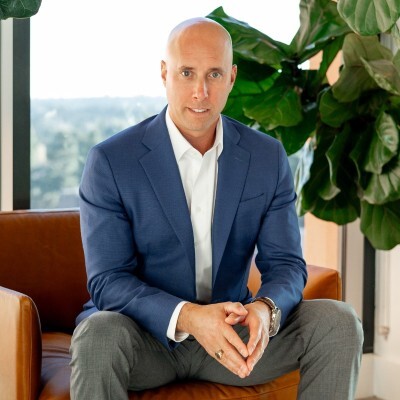
Founder & CEO, Aesthetic Brokers
Bill Walker is the Founder & CEO of Aesthetic Brokers, where he leads transaction advisory for medical spas, cosmetic dermatology practices, and plastic surgery centers. Prior to founding Aesthetic Brokers, Bill led mergers & acquisitions for a large private equity-backed healthcare services organization, where he helped doctors unlock hundreds of millions of dollars in generational wealth. He is a nationally recognized speaker and thought leader in healthcare M&A.
Bill began his career as a Marine Corps pilot, ultimately serving under two administrations at the Presidential Helicopter Squadron and commanding a squadron in combat.