The Exit Strategy No One Tells Med Spa Owners About


Planning an exit feels like something you’ll deal with “someday,” but Jessica Hunter says it actually starts on day one. She explains what makes a med spa truly sellable, from having more than one provider to systems that don’t rely on the owner to function.
She also shares why profitability has less to do with your top line and more to do with operational discipline, and how small inefficiencies quietly eat away at valuation. Heavy debt? Lack of recurring revenue? A business built entirely around one injector? Listen for the pitfalls that can turn a promising exit into a dead end.
But an exit isn’t always a sale. Jessica touches on alternative paths like partnerships, partial buyouts, and stepping back while still earning, plus what to do if you never want to leave the treatment room and just want a business that supports your lifestyle.
HOST
Jessica Hunter
Head of Aesthetic Consulting, Aesthetic Brokers
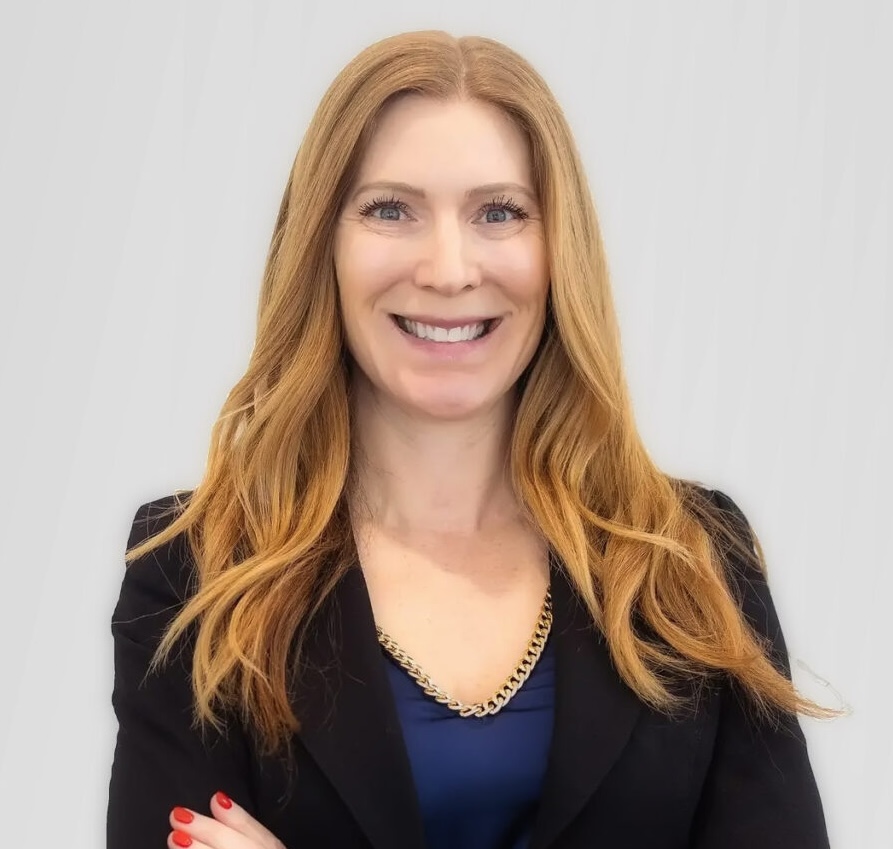
Jessica Hunter is the Founder & CEO of Hunter Consulting and Head of Consulting at Aesthetic Brokers, where she helps medical aesthetic clinics grow smarter and stronger. She’s partnered with more than 75 clinics across Canada and the U.S., guiding them to boost profits, streamline operations, and build lasting success.
Known for her energy, straightforward approach, and genuine care, Jessica believes the best advice comes from truly understanding each business, especially its financial health and unique challenges.
Follow Jessica on Instagram @hunterconsulting_
Connect with Jessica on LinkedIn
About Aesthetic Appeal
Aesthetic Appeal is where Aesthetic Brokers brings you the latest insights straight from Southern California. We break down what’s happening in the medical aesthetics world—especially when it comes to private equity and transactions with mergers and acquisitions that matter to you as a practice owner.
Learn more about Aesthetic Brokers
Follow Aesthetic Brokers on Instagram @aestheticbrokers
Theme music: Blinding, Cushy
Jessica Hunter (00:09):
Welcome to Aesthetic Appeal. I'm your host, Jessica Hunter, head of consulting at Aesthetic Brokers. Thanks for listening today. So on today's podcast, we're talking about one of my absolute favorite topics, which is how do I exit? And it's this idea of thinking about planning for sort of the end in mind. So this is what Aesthetic Brokers is known for, is helping people make the right decisions when trying to exit their business in the medical aesthetic field. And that's what really drew me to partner with Bill and the team because I really wanted someone who understood the whole financial relationship and actually had been through the process so many times that really understood what it looked like for the owners realistically, because I think that's a really important thing to think about is what does it actually look like on the other side? So what does it mean when we say begin with the end in mind?
(01:02):
Well, if you are just starting your practice or been in business for a few years in the medical aesthetic field and you know that your ultimate goal down in the future, it could be three years from now, it could be four years from now, five years from now, is to sell your business. You need to be doing things in your business to create that for an opportunity for yourself today. You really need to understand that what you do today will prepare you to have options for the future and options that you actually want. So when we talk about being sellable, what does that really mean? There's a couple key things I want you guys to think about when you're listening to this today. And the first one is, is that to be sellable, you have to have a business that is not just you. You cannot be the only provider in your business.
(01:50):
Okay? You have to have multiple providers generating multiple consistent revenue month after month, year after year. So that's a really important piece. If you right now are listening to this and you are a med spa owner and you're a doctor or a nurse and you own the business and you provide in the business and you are doing more than 50% of the revenue, that is a problem. So my advice to you for sure is to one, stop taking any new clients. That's the first tactical thing you can do. Find a really good way to transition all new patients to other providers in your business. Okay? That's the first thing. The second thing, start really monitoring what kind of patients you're taking. If you do full face rejuvenation, that should be sort of the patients you're taking. Not the follow-up Botox, not the first time lip filler.
(02:43):
Those can all go to other providers. So stick within your specialty, stick within what's the most profitable services for you in the amount of time that you can do them. And try to kind of delegate those other services off your plate. And that will help because a lot of owners will come to me and say, "How do I do that? All these clients want me. Everybody wants to come see me. " So you've got to start putting those plans in places and it can be a very slow moving plan, but it absolutely will get you there if you put a couple systems into that. So that's the first sort of tactical thing I think you could do today that will really help you be sellable for the future. So the second thing I would say that if you really are looking to sell your business three to five years down the road is you have to have a really good service mix.
(03:31):
I have seen too many times people that are looking to sell their business have a massive weight loss or wellness segment of their business or a massive injectables portion of their business. So there's just too much volatility when you're so heavily reliant on any service. The other thing to really think about is right now with weight loss and wellness, by the way, love this category. Absolutely love this category. I think it's a fantastic segment for you to implement into your business in the medical aesthetic space, but it is still a little bit uncertain. And you're going to find the private equity right now because of the uncertainty is going to evaluate that portion of the business much lower than the other portions of your business. And so a great service mix where we have some energy-based devices, we have retail products, we have injectables, we have maybe some aesthetic services, and then a weight loss or wellness category, longevity category is great.
(04:30):
So there should be a nice healthy mix from there with multiple providers being able to do those services. The third thing that I feel like everybody talks about is of course being profitable every single month within your business. This is more difficult than you think. And when people talk about profitability in a business, they're obviously talking about after you've done all your expenses, you've paid all of your bills. So this includes your payroll, this includes your consumables, your overhead, your operations, your marketing expenses, what you're left with at the end. And being profitable is really about how efficient you are run. So understanding that your business needs to be optimized and efficient and how it's run is so key when we're thinking about what are we doing to be sellable. Now, what's actionable from that? If you're asking, "Hey, Jess, how do I actually put these into place within my business?" Well, the first thing you can think about is what is the patient journey for your business?
(05:29):
Is it something that is repeatable and automated for every single one of my patients, regardless if I'm there or my amazing receptionist is there or my patient care coordinator is there? It needs to be consistent and repeatable and have some sort of standard. So this is done a lot from automation with whatever our EMR platform is, whatever our software platform is that we're utilizing, and it needs to be utilized in a way that delivers that experience consistent for the patient. So my advice with you today is if you're looking to sell, figure out what software system will be one that you could get on today so that someone who's looking to acquire you, you're already a part of that package, you're already kind of in the mix and they don't have to go through all that onboarding with you. So those are the three things for sure I would think about that you could actionably do today to create a business that is going to be worth selling, someone who's going to want to buy it for what you want to sell it for because that's really the question.
(06:32):
It's not that, can my business be sellable? Am I going to want to sell it for what someone is willing to buy it for? So I think where I see the most inefficiencies within businesses in general really come from two things. One would be staff utilization, how we're utilizing our staff, how they're scheduled, and how they're kind of coming in and what their services are doing. I think when we think about efficiencies, it's not about how fast we do something, it's that we're using the right staff and paying them the right amount for the services they're doing. So for example, if we have an aesthetician who can do microneedling and microderm abrasions and stuff, then we are paying that aesthetician for those services. When we're using an RN and they're doing some of those services versus maybe injectable treatments or PRP, we're obviously paying them more.
(07:30):
So the efficiencies aren't necessarily about time. It's really about who we're using for what services to maximize those staff or those staff roles to be as efficient as possible for doing this service. Very similar to when we talk about an owner who's a doctor, maybe a nurse practitioner, they should be maximizing the services they're doing. There's no way. I had a client currently still do, who's a dermatologist and she is so amazing. Her clients love her, but of course she's like, "Oh, I could do that peel for them. I can do that. It's part of our treatment plan." I'm like, "Absolutely not. " There's no way as a dermatologist, you're as efficient to do this peel as our esthetician from a cost perspective and time perspective. And so that's really when we talk about efficiencies, the biggest thing I see is we have probably the wrong people doing the services in the amount of time, because time is our constraint, is what we don't have, and we got to maximize every single amount of time that we have for all of our providers.
(08:38):
It's so interesting when we think about how the industry has changed so much in the last five years, even three years, honestly. I think this option now of being able to sell your private aesthetic practice is a very, very viable option for a lot of people. And where I see it came from, obviously, in my opinion, is obviously the dental world has already done this. They've already consolidated for the most part. And then a lot of those firms came over to medical aesthetics and said, "Oh, wow, there is a great industry here. This makes a lot of sense." And they kind of started to get involved and see what the medical aesthetics world was all about. But when we think about that opportunity, what I always want to talk to my clients and be really transparent about is you could sell your business tomorrow. The question is, is it worth it?
(09:35):
The question, is it worth it? And I'll tell you right now, if you're under a million dollars of revenue, it's not. It's not worth it. So when you say, "Okay, Jess, I'm doing $850,000 right now in revenue. It's me and one other provider." I'm like, "Okay, great. So let's grow on that. Let's actually build on what you have right now to get you to a point where you're at two, 2.5 and you have something really worth selling." When we take a look at the industry, yes, we have this really great opportunity, but what do we want to do? Let's really seize that opportunity. Let's really know what we need to do to make sure that you can get the most value for your business because it's really only a few things that you need to do that will really move the needle. When I take a look at the biggest mistakes that practices make that will not allow them to be acquired is really, really heavy front end debt.
(10:35):
When you acquire a lot of equipment, a lot of leases and you've got a big debt load on you, you're going to have to spend some time to really start generating some revenue. I mean, that's just the reality of it. And I think the second thing I've seen, and I have seen this with a particular client, is just over assets on their books. And without getting into too much detail, things like gift cards that never expire, having that on your books, if it's significant, can be a detriment to someone looking to purchase your business, right? But having a huge asset like that just sitting that you can't get rid of is difficult because obviously we've already acquired that income, we've obviously already spent it. And so that's something that I've seen actually deter a deal as well. It was significant enough to be like, "Hey, I'm just not going to touch this business right now." So that's something as well just to watch out for.
(11:36):
I always say to my clients that our goal is to create a business that has options for you for the future. And when we're creating a business with really good efficiencies, operational processes, and it is obviously profitable, that's our goal is to be profitable. When we're doing all that, we're creating a really great business to run. And when we do that, yes, it's a great business to sell and the evaluation will be good, but it's also a great business to run. And so you're going to create those options for yourself of, "Well, maybe this is a business I enjoy running now." And maybe it's more passive than it has to be active for me in terms of what I do. But I think I would say that that's something that we're always trying to do because you will be surprised at when you really create a really great business that you might want to just stay in it and operate it because it's fun to do.
(12:34):
So your one big takeaway from this podcast that at least I hope you take away when we're thinking about exiting your business is I would just advise you to really think about what your long-term goals are and understand that when you do sell your business, it's not that you are walking off into the sunset. There is very few deals that are structured that way. You still will be involved, you'll still be part of the business. It's really about a way to get more tools and resources and potential capital into your business to help it grow. Listen, if you're thinking about selling your business or would just like to know if your businesses is even worth selling right now, reach out to us aesthetic brokers. We are happy to just sit down, learn about your business and be able to give you some guided support on what to do next.
Head of Aesthetic Consulting, Aesthetic Brokers
Jessica Hunter is the Founder & CEO of Hunter Consulting and Head of Consulting at Aesthetic Brokers, where she helps medical aesthetic clinics grow smarter and stronger. She’s partnered with more than 75 clinics across Canada and the U.S., guiding them to boost profits, streamline operations, and build lasting success.
Known for her energy, straightforward approach, and genuine care, Jessica believes the best advice comes from truly understanding each business, especially its financial health and unique challenges.